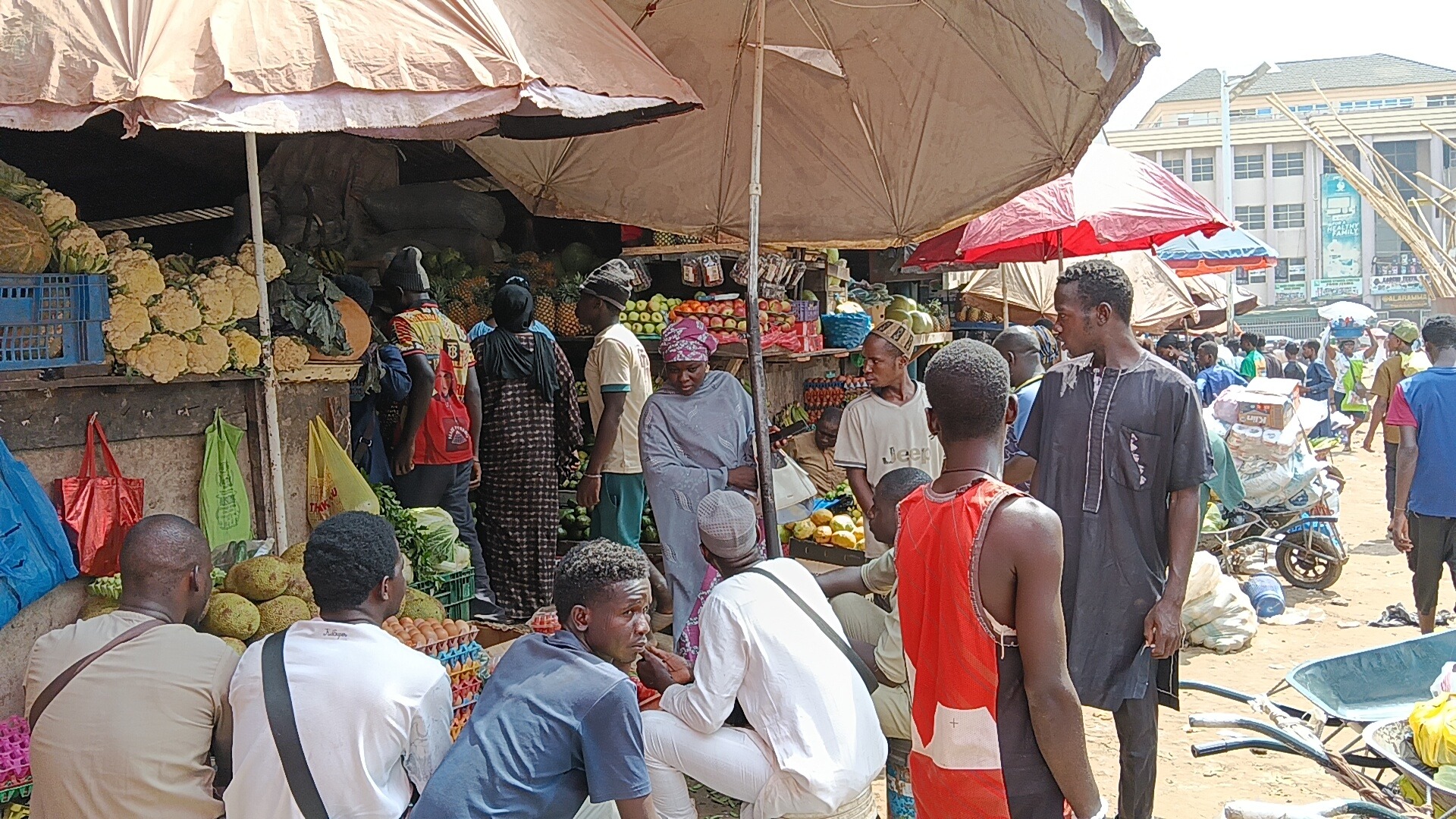

As tensions involving the United States, Israel, and Iran raise fears of global fuel price increases, traders and consumers in Abuja say the rising cost of petrol is already pushing up prices of goods in local markets.
To get a sense of the impact, RBN visited Wuse Market in Abuja, speaking with traders and shoppers about how rising fuel costs are affecting everyday life.
Many residents told RBN News that they are urging the government to consider price control measures for fuel and essential commodities to cushion the impact on consumers.
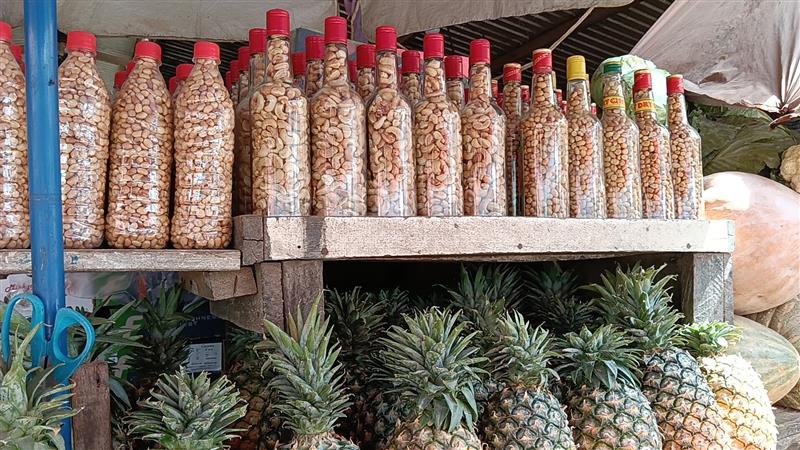
A trader, John Bosco, said the increase in petrol pump prices has led to higher commodity prices, although he accused some traders of exploiting the situation.
“Nigerians sometimes take advantage of situations to make money,” he said. “Some traders still have old stock but increase the price as if the goods were newly purchased. That is not fair to customers.”
Similarly, a chef, Mary Effiong, said the rising prices of fruits and other items were making it increasingly difficult for many households to afford basic food items. She added that the government is not considering the plight of citizens.
“When I came to buy fruits like watermelon and pineapple, I was shocked,” she said. “Watermelon used to cost around ₦500, but today it is about ₦2,500. Pineapple is now about ₦3,500. Things are becoming very expensive.”
Another consumer, Francisca Tarlumun, also noted that prices of other items, including meat, have increased.
“Before now, apples were about ₦500, but today they sell for around ₦1,000,” she said. “Meat that used to sell for about ₦6,000 per kilogram now costs about ₦7,500.”
From the traders’ perspective, Chinemere Christian attributed the increases partly to rising transportation costs following the hike in fuel prices.
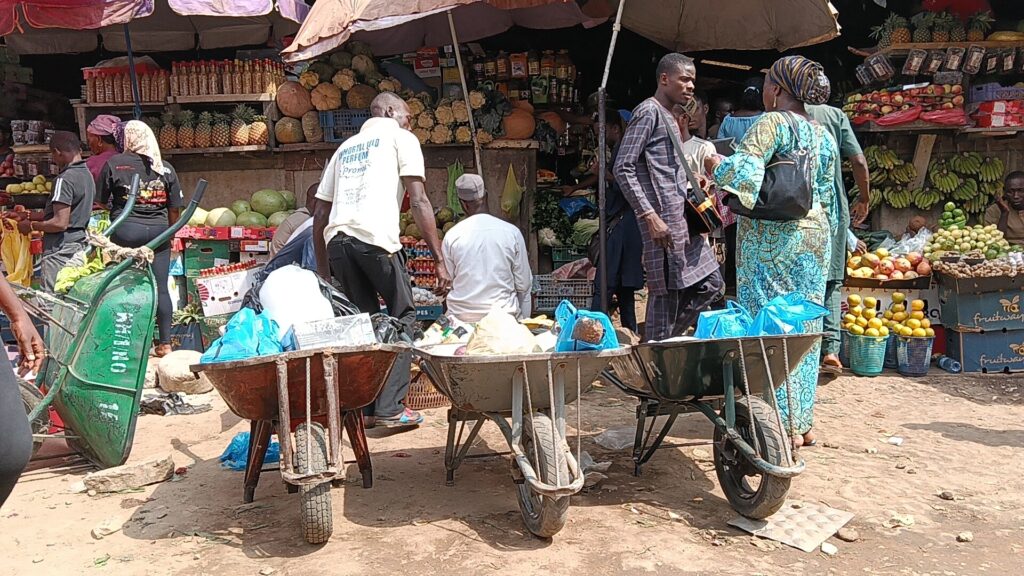
“Transportation is expensive now, and it affects the prices of goods we sell,” she said. “When the cost of moving goods increases, the prices of commodities will also rise.”
Adding further context, Dayyabu Yahaya, a former chairman of the Wuse Market Butchers Association, said increases in fuel prices often trigger higher costs across the market.
“Once fuel prices go up, everything goes up,” he said. “Most of our goods come from the far north, so transportation costs also increase.”
Meanwhile, an online broadcaster, Justin Okpu, called for better regulation of commodity prices from production to the market.
“Like the palm oil I’m putting on right now, when I came to the market it was ₦7,000, but today the last price was ₦9,000,” he said. “So naturally things have gone up. Foodstuff has gone up just slightly, but I think in the coming days we should see more of these prices increase.”
As fuel prices continue to influence transportation and supply costs, traders and consumers say the ripple effect is already being felt across Abuja markets.
Many are now urging the government to consider policies that could stabilize fuel prices and protect households from further increases in the cost of essential goods.
Report by Godwin Igber