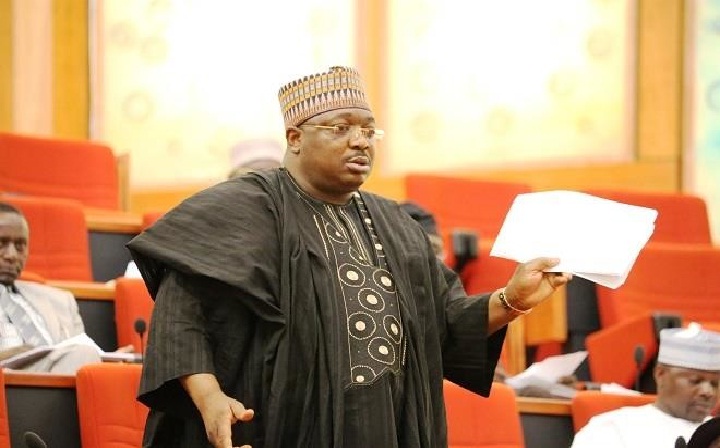

A former lawmaker, Sen. Philip Aduda, has commended Independent National Electoral Commission (INEC) for the improvements recorded in the conduct of the area council elections in the FCT.
Aduda, who represented the Federal Capital Territory (FCT) in the Eighth and Ninth Senate, gave the commendation on Saturday while speaking with newsmen after assessing the ongoing area council elections.
While citing his personal experience as evidence of progress, Aduda said: “Personally, it took me less than three minutes to vote. That shows there has been improvement. The process is improving and it remains a work in progress.
On preparations for the 2027 general elections, he urged INEC to sustain the ongoing reforms and continue improving the electoral process.
Regarding the recently passed Electoral Act, Aduda assured that it would be implemented in future elections, noting that once signed into law by the president, it becomes binding for subsequent polls.
He also described the process as orderly and efficient, noting that the elections were being held not only in the Abuja Municipal Area Council but across all six area councils of the FCT.
“The assessment is that everything has been very smooth and is going well.
“This is a local election where we are electing our area council chairmen and councillors who represent us from the various wards into the local governments of the FCT,” he said.
The former senator, while acknowledging the low turnout in many polling units, attributed it partly to the nature of the poll.
“If it were a national election, you would likely see a much larger turnout; local elections traditionally attract fewer voters,” he said.
He also pointed to recent changes in polling units as a possible contributing factor.
According to him, while the voter register was displayed at polling units, more public sensitisation should have been carried out to help voters understand the new arrangements.
“There should have been more sensitisation to inform people about where to go and what to do.
“Some people assumed they would vote at their usual locations and today, some are moving around trying to find their names at the new polling units,” he said.
According to him, Aduda emphasised that voter education remains a shared responsibility between the electoral body and citizens, expressing confidence that residents will gradually adjust to the changes.