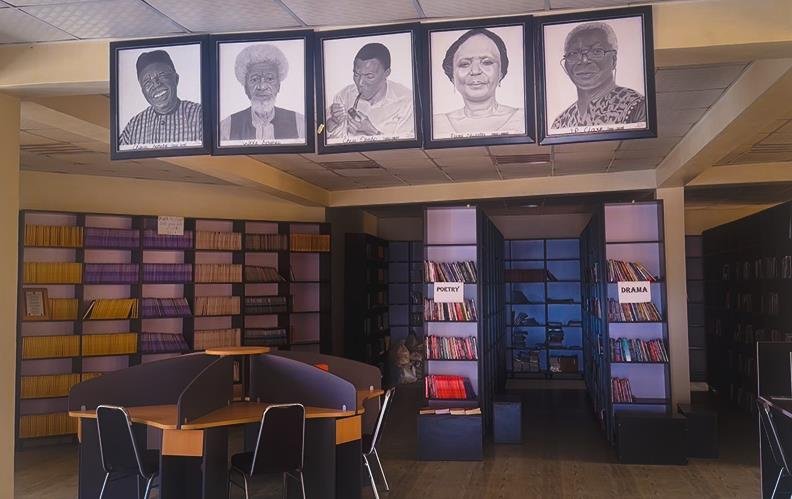

As the world celebrates World Poetry Day on March 21, Nigerian poets are calling for stronger recognition of poetry as a tool for social impact, youth engagement, and national development.
Speaking to RBN in Abuja, stakeholders emphasized that poetry remains a powerful medium for dialogue, healing, and collective progress, while urging government and private actors to invest more in the sector to empower writers as agents of change.
Abdulmalik Yahya, a poet and cultural advocate, spoke on the unique role of poetry in promoting peace and unity in a diverse society like Nigeria. He urged writers to “be the bridge that promotes peace… and inclusivity,” stressing that poetry can serve as a unifying force.
Yahya also outlined key challenges facing young Nigerian poets, noting that many still “do not really see poetry as a profession,” with societal perceptions and limited institutional support discouraging aspiring writers. He added that poetry receives far less attention than other creative sectors, such as music and film, despite its cultural and economic potential.
At the same time, he highlighted opportunities emerging from digital platforms, advocacy efforts, and global competitions, which allow poets to amplify the voices of marginalized communities and achieve international recognition. Looking ahead, Yahya expressed optimism about the evolving role of poetry in education and nation-building, predicting it could become “the next form of education” by engaging young people emotionally and intellectually.
Another poet and social entrepreneur, Martin Ijir, emphasized the financial and technical barriers of editing and marketing literary works. “A poorly edited book brings solely disgrace to the author,” he warned, highlighting the high costs of production and limited access to professional editorial support. Ijir called for the establishment of functional publishing systems, increased investment from government and private sectors, and more patrons willing to nurture literary talent.
He also observed that some talents are lost due to the expense of editing, stating, “Some people die… their talent dies because of the cost of editing,” underscoring the importance of accessible support for writers.
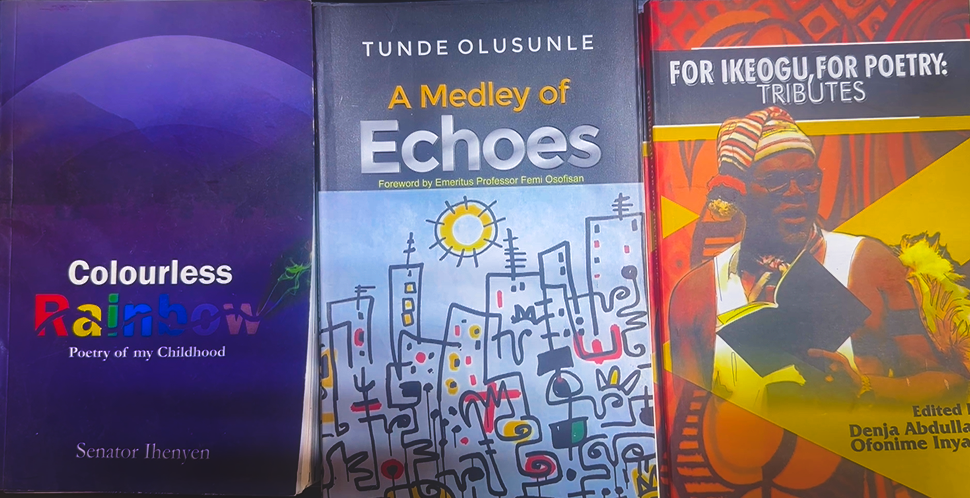
Owo Owi Ocho, author of We Will Sing Water (2022) and Now I Sing God into Stones (2025), echoed these concerns, identifying funding and publishing as major constraints on creative productivity. He noted that financial hardships and infrastructural challenges, such as unreliable electricity, often limit writers’ ability to produce quality work. Ocho cautioned against “romanticizing poverty” as a driver of artistic output, insisting that such conditions hinder rather than inspire creativity.
Despite these challenges, Ocho highlighted poetry’s enduring potential as a tool for unity, peace, and development. He called for stronger institutional support, including government measures to reduce publishing costs and encourage industry growth. On the importance of mentorship, he urged established writers to guide emerging voices through retreats, editorial guidance, and collaborative initiatives to sustain Nigeria’s literary future.
ANA Advocates Reading and Creative Writing Development
The Association of Nigerian Authors (ANA) continues to provide platforms to nurture emerging writers. Speaking at the ANA National Secretariat, Ngozi Alutulu-Ebulum, Administrative Officer at the ANA Institute of Creative Writing and Film, emphasized the link between reading and writing as essential to sustaining literary culture.
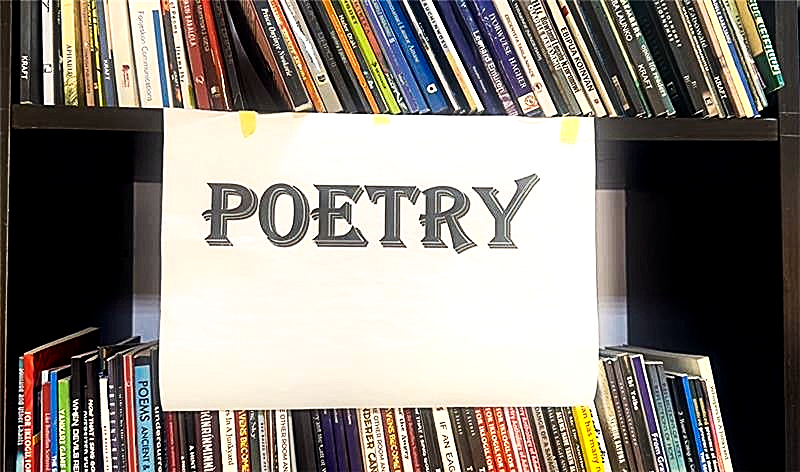
She highlighted the ANA Yusuf Ali Library as a key resource, offering access to poetry, drama, prose, and children’s literature, alongside dedicated reading and writing spaces. Alutulu-Ebulum also detailed training programs, including free summer workshops designed to give aspiring writers practical creative writing skills over varying durations.
“ANA remains steadfast in encouraging young people to read and write,” she said, underlining her belief that “there won’t be any writing without reading.”
Global Call for Unity and Inclusion
World Poetry Day, celebrated every March 21, was declared by UNESCO in 1999 and first observed in 2000 to honor poetry as a form of creative expression, cultural heritage, and emotional connection. This year’s theme, “Poetry as a Bridge for Peace and Inclusion,” reinforces the power of poetry to unite communities, foster dialogue, and promote linguistic and cultural diversity.
The global observance encourages people everywhere to read, write, publish, and appreciate poetry, while recognizing the vital contributions of poets who shape literature, culture, and society.
Report by Godwin Igber