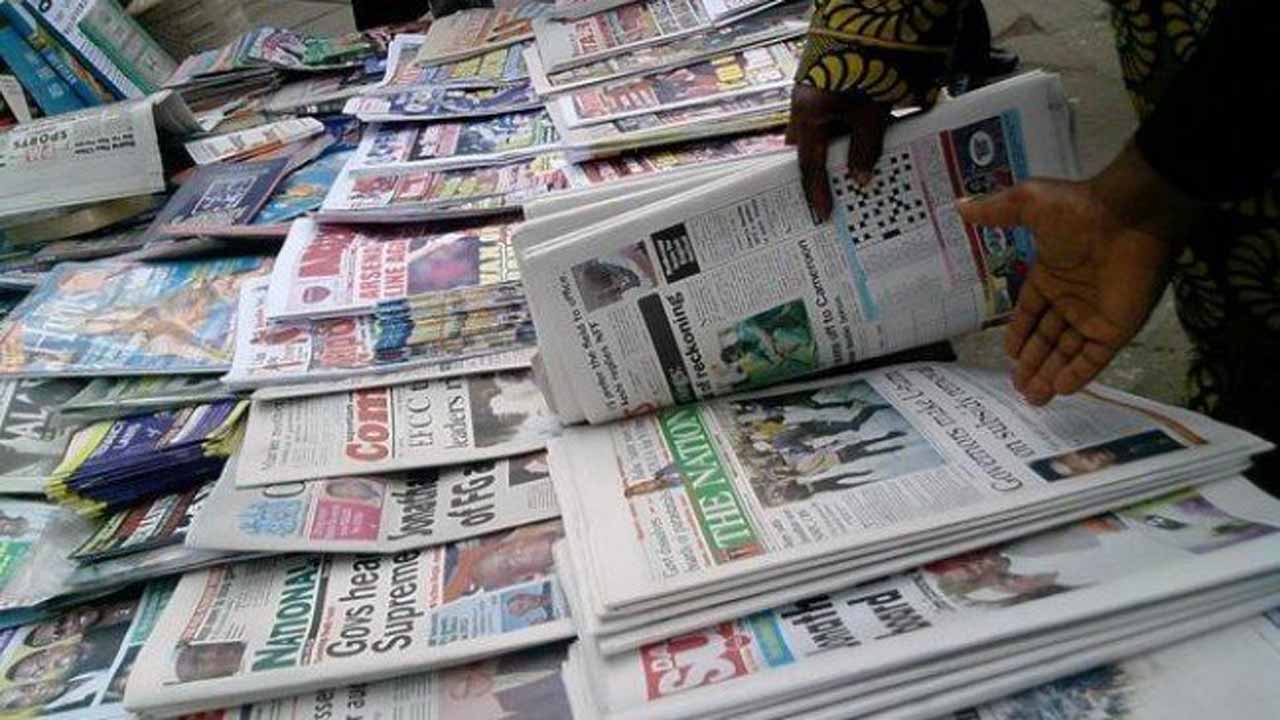

The way people consume news is changing rapidly, and traditional newspapers are steadily losing their place in many homes. With the widespread use of smartphones and social media, fewer Nigerians are buying printed copies, signaling a major shift in how information is accessed.
For decades, newspapers served as a primary source of news across Nigeria, delivering daily updates on politics, business, and social issues. But that long-standing culture is now facing disruption.
Across several streets and newsstands, vendors report a sharp decline in sales as more readers turn to digital platforms for instant updates. A newspaper vendor, Mr. Hassan, recalls that the business was once lucrative, but says sales have dropped significantly in recent years, making it harder to sustain daily operations.
Residents also point to technology as a key driver of this shift. Mr. Patrick, who lives in Maitama, explains that smartphones and easy internet access have made news readily available at the click of a button, reducing the need to buy physical copies.
Another vendor in Maitama, Mrs. Gift Oisai, paints a more troubling picture. She says there are days she makes no sales at all, noting that most of her remaining customers only purchase newspapers for official purposes such as name change announcements.
Media analyst and editor, Mr. Harrison Ndu, adds that beyond technology, economic factors are accelerating the decline. He explains that rising production costs and reduced purchasing power mean fewer people are willing to spend money on print when digital alternatives are often free.
As digital media continues to reshape how audiences consume information, the future of print newspapers may depend on how well the industry adapts. For many publishers, survival may lie in balancing tradition with innovation in an increasingly digital world.
By Zainab Ibrahim