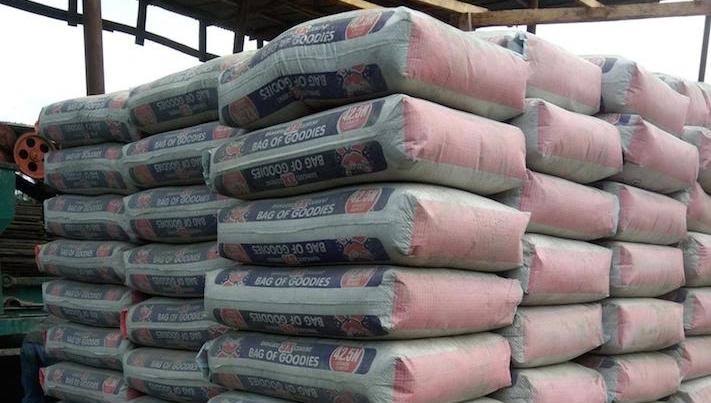

The Federal Government has announced a ban on the importation of cement, poultry products, pharmaceuticals, and several other goods from countries outside the Economic Community of West African States (ECOWAS).
The directive was contained in a circular issued by the Federal Ministry of Finance and signed by the Minister of Finance, Wale Edun, dated April 1, 2026.
According to the document, the affected goods are among 17 items listed under a revised import prohibition policy.
“Import Prohibition list (Trade), applicable only to certain goods originating from non-ECOWAS Member States. It consists of 17 items,” the circular reads.
The updated list forms part of the 2026 fiscal policy measures and tariff adjustments introduced by the government.
The ministry also granted a 90-day grace period for importers who had already initiated transactions before the policy took effect.
“In addition, a grace period of ninety (90) days, commencing from the effective date of implementation of this circular, i.e., 1st April 2026, shall be granted to all importers who had opened Form ‘M’ and must have entered into irrevocable Trade Agreement before the coming into effect of this circular, to process and clear their goods at the prevailing duty rates,” the circular reads.
“However, any new import transaction entered from the 1st of April 2026, shall be subjected to the new import duty regime.
“These Fiscal Policy Measures which supersede the 2023 Fiscal Policy Measures shall be published in the Official Federal Government Gazette.”
Items affected by the ban include poultry (live or frozen), beef and pork, eggs (with limited exceptions), refined vegetable oil, sugar, cocoa products, tomato paste, beverages, cement, medicines, fertilisers, soaps, paper products, glass bottles, steel materials, and ballpoint pens.
Additionally, the government introduced a 2 percent green tax on certain categories of vehicles based on engine capacity as part of the new fiscal measures.