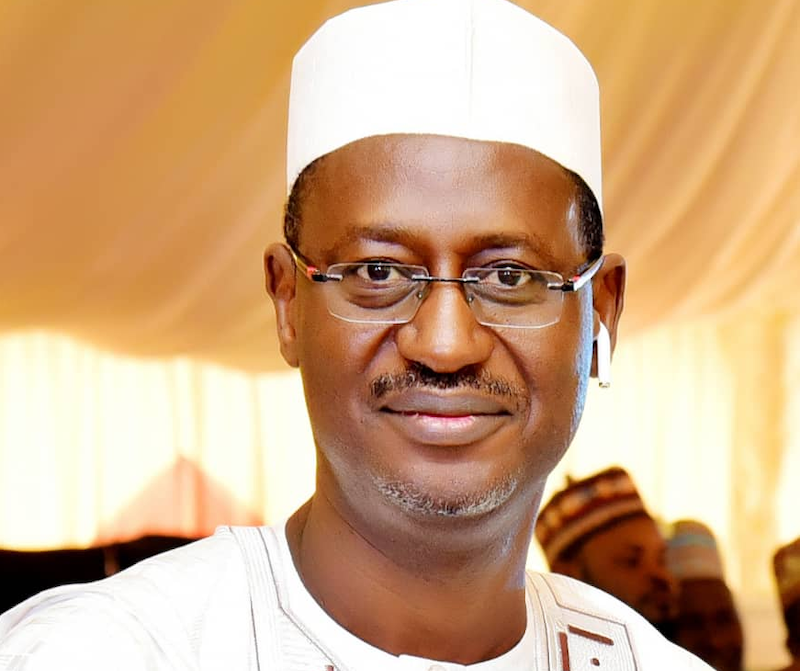

Minister of Housing and Urban Development, Ahmed Dangiwa, has reaffirmed plans to embed water and sanitation services into housing and urban development projects across the country.
Dangiwa gave the assurance in Abuja while receiving members of the Society for Water and Sanitation, led by its National Coordinator, Attah Benson, during a courtesy visit.
He said the ministry is strengthening collaboration with civil society groups to improve access to clean water, sanitation and basic infrastructure, stressing that housing delivery must go beyond shelter to include essential services.
“Urban development must be integrated with essential services such as water, sanitation, drainage and other infrastructure if we are to achieve sustainable communities,” Dangiwa said.
According to him, the ministry is advancing this approach through the National Urban Renewal and Slum Upgrade Programme, which targets underserved urban and semi-urban areas.
“Under this initiative, we are extending interventions to communities lacking basic amenities, including solar-powered street lighting, access roads, drainage systems, water supply and sanitation facilities,” he added.
The minister also underscored the importance of data-driven planning, noting that collaboration with NEWSAN would enhance access to credible data on sanitation gaps and open defecation trends nationwide.
“Achieving Sustainable Development Goal 11 on sustainable cities is closely linked to Goal 6 on clean water and sanitation. Both must be pursued together,” he said.
Dangiwa further disclosed that the ministry is part of the National Task Group on Sanitation and has directed relevant departments to deepen engagement with the network to improve coordination and data sharing.
Despite funding constraints, he said progress has been recorded through targeted interventions and constituency projects.
“More than 150 communities have benefited from interventions in water, sanitation and other basic services within the past two years,” he stated.
Earlier, Benson said NEWSAN serves as a platform for over 300 civil society and community-based organisations working to expand access to water, sanitation and hygiene services across Nigeria.
“We are focused on advocacy, community mobilisation and policy engagement, particularly in ending open defecation and improving hygiene practices,” Benson said.
He expressed concern over the slow pace of progress nationwide.
“Only a few states have attained open defecation free status, and there is a need for stronger government leadership to accelerate progress,” he added.
Benson also called for the integration of WASH financing into housing and infrastructure projects.
Nigeria continues to face significant challenges in water, sanitation and hygiene services, with millions lacking access to safe drinking water and basic sanitation, particularly in rural and underserved communities.