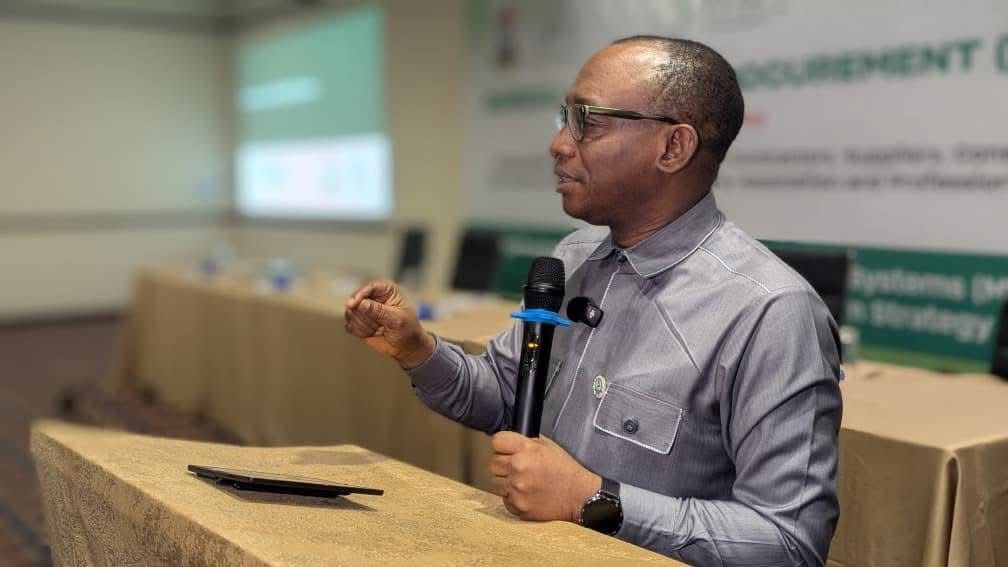

The Bureau of Public Procurement (BPP) has announced a sweeping reform of Nigeria’s procurement system aimed at strengthening transparency, accountability, and efficiency in government contracting.
Director-General of the Bureau, Dr. Adebowale A. Adedokun, disclosed that the reforms will introduce full digitalization of procurement processes, including 100 per cent electronic submission of bids, as part of efforts to reduce bureaucratic bottlenecks and curb corruption.
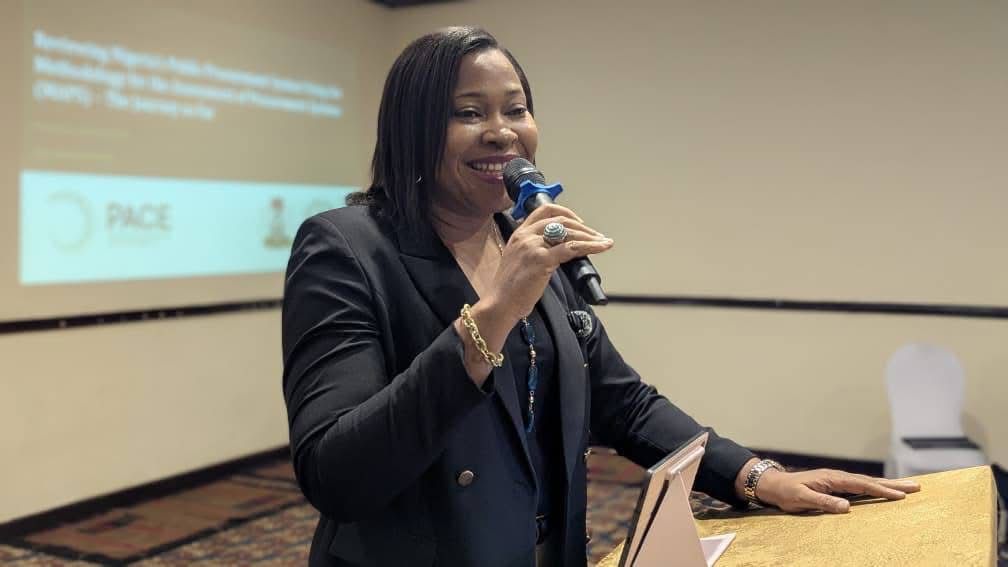
According to the BPP, the reform package also includes the “Nigeria First” policy, which prioritises locally produced goods and services in government procurement to stimulate domestic industries and support economic growth.
The bureau further revealed plans to expand affirmative procurement policies to encourage greater participation of women, youth, persons with disabilities, and veterans in government contracts. In addition, a federal debarment policy will be implemented to blacklist contractors found to have delivered substandard projects or violated procurement standards.
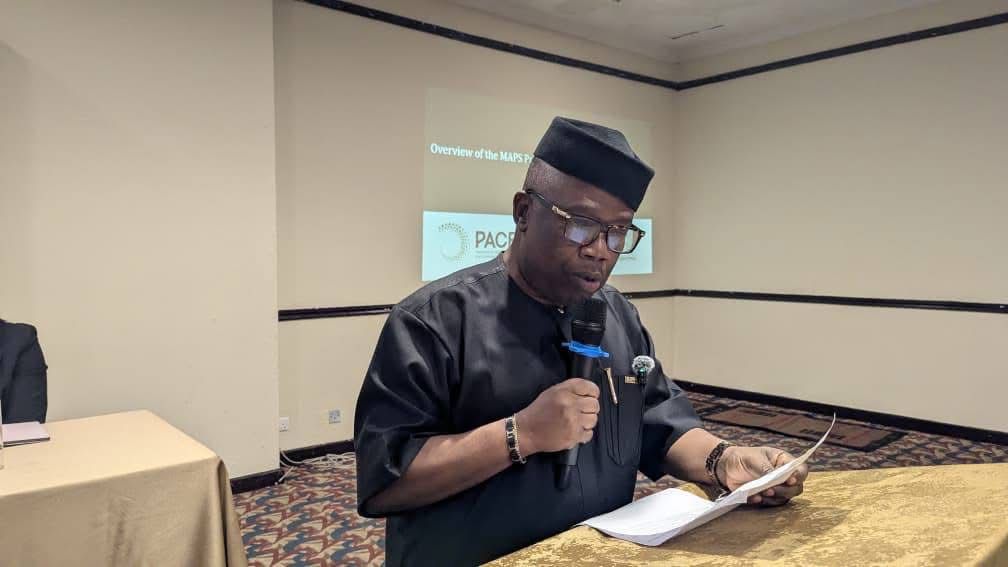
As part of the reform process, the BPP is currently conducting a Methodology for Assessing Procurement Systems (MAPS) evaluation. The assessment, supported by PACE and UK International Development, will generate data-driven insights to guide proposed amendments to the Public Procurement Act and improve procurement practices across the country.
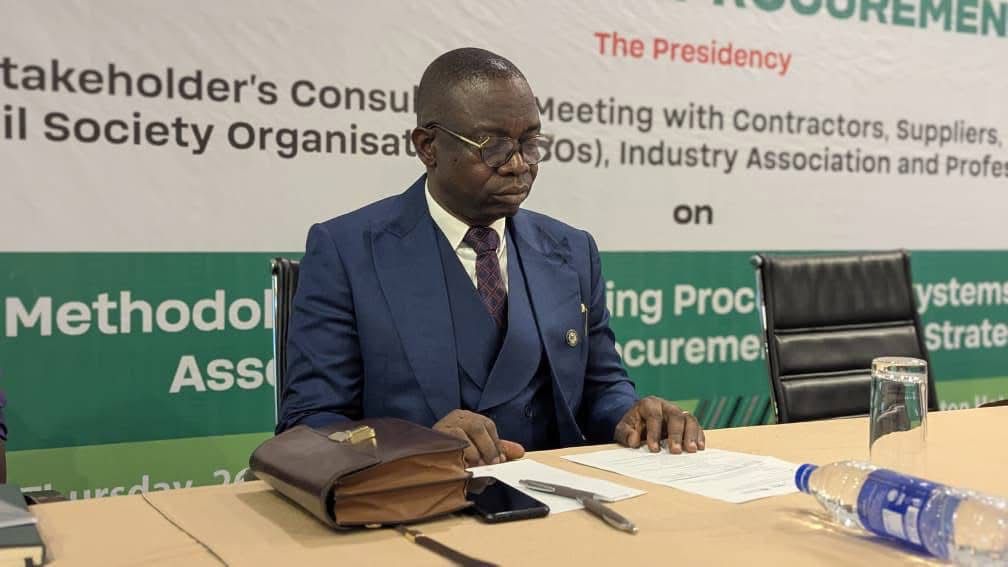
The bureau noted that the reforms are designed to modernise Nigeria’s procurement framework, enhance transparency, and ensure that public funds are used more efficiently for national development.