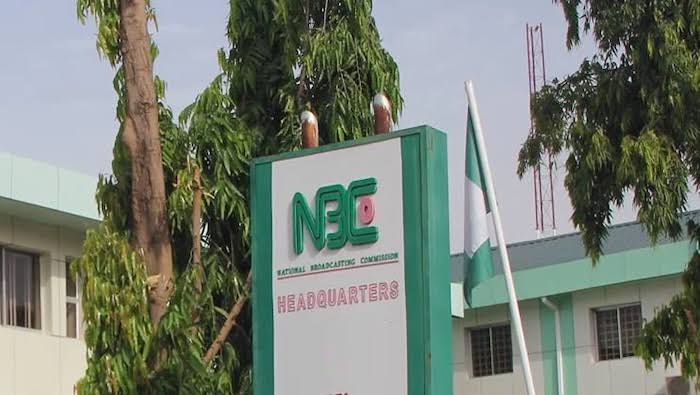

The Nigerian Broadcasting Commission (NBC) has stirred reactions following its latest directive warning broadcast organisations to uphold stricter standards as the 2027 general elections draw closer.
The Commission cautioned that it would enforce “strict and uncompromised compliance” with the Nigeria Broadcasting Code, citing growing concerns over declining professionalism, biased reporting, and the spread of hate speech across radio and television platforms.
It stressed that “broadcast platforms must not be used for hate speech, personal attacks or content inciting disorder along political lines.”
According to the NBC, there is a rising “crisis” in professionalism among programme anchors, including the injection of personal opinions, lack of balance, and failure to represent opposing views fairly.
It warned that such violations would attract sanctions, especially as political activities intensify ahead of 2027.
“As we approach the 2027 general elections, the Commission… will enforce strict and uncompromised compliance with every provision of the Nigeria Broadcasting Code,” the NBC stated.
However, the directive has drawn criticism from media stakeholders.
The Nigerian Union of Journalists (NUJ) described it as a “veiled attempt to gag the media and institutionalise censorship,” warning that it could threaten free speech and editorial independence.
Similarly, the Nigerian Guild of Editors (NGE) said the move could “stifle legitimate journalistic inquiry and silence critical voices,” adding that journalism requires the freedom to ask tough and probing questions in the public interest.
Political analyst Adebayo Okunade also alleged that the directive could favour the ruling party, stating: “This is a subtle means of stopping the opposition from telling Nigerians the truth about this government.”
Reacting, former Labour Party presidential candidate Peter Obi warned that such measures could weaken democracy.
He said, “Attempting to stifle voices, moderate opinions or intimidate journalists under the guise of regulation only weakens our already fragile democracy,” adding that “Nigeria does not need stronger control. Nigeria needs stronger institutions.”
As debates continue, the directive has intensified concerns about the balance between media regulation and press freedom in Nigeria’s political space.