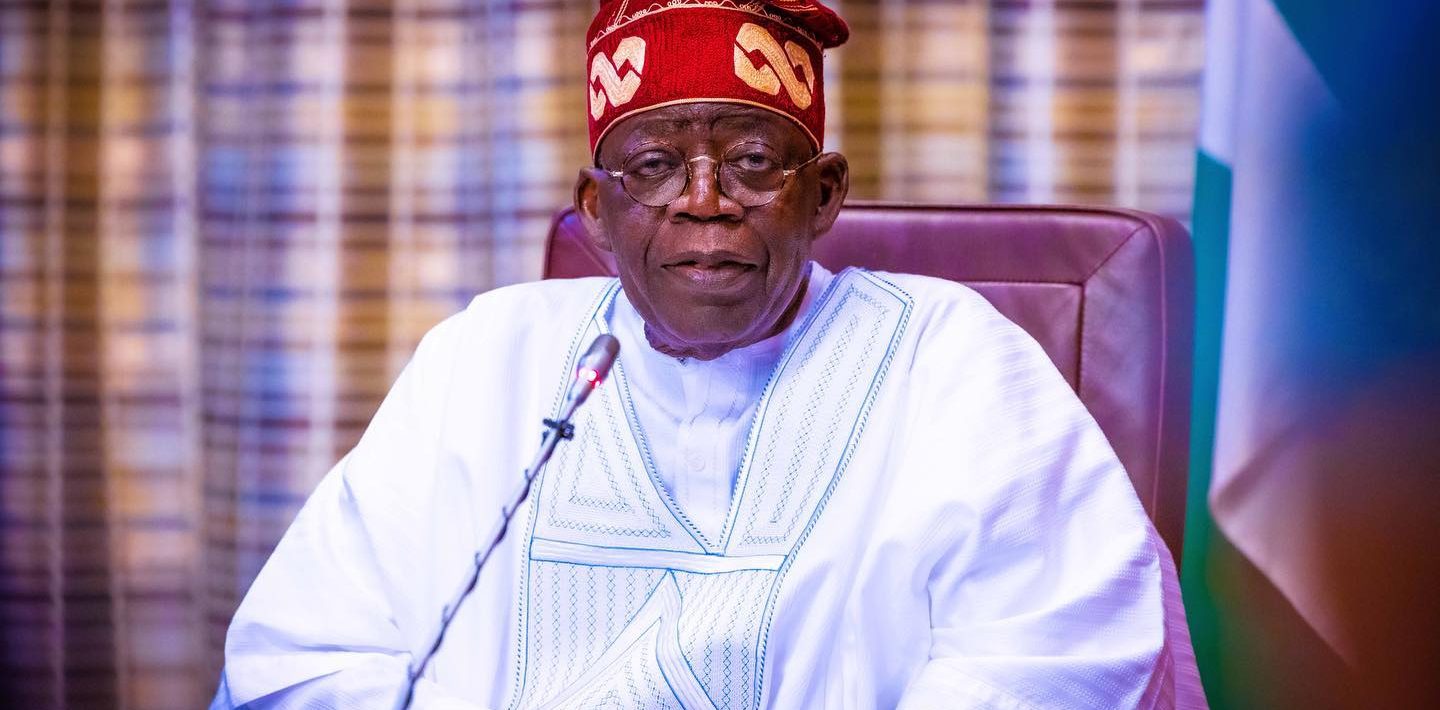

President Bola Tinubu on Wednesday unveiled a N25 trillion pension asset pool, signalling a major push to strengthen social protection and guarantee financial security for Nigerian workers after retirement.
Speaking at the opening of the ISSA 2026 West Africa Seminar in Abuja, the President said his administration is committed to protecting workers from economic shocks and workplace risks.
“Since 2023, we have pursued the Renewed Hope Agenda with a focus on restoring opportunity, protecting livelihoods and rebuilding confidence in the economy,” he said.
Tinubu noted that institutions driving Nigeria’s social security system have been repositioned to deliver improved outcomes, particularly in workplace protection and pension management.
“Through the Nigeria Social Insurance Trust Fund, we have fundamentally strengthened workplace injury protection. Today, over 7.5 million Nigerian employees are covered under the Employees’ Compensation Scheme, ensuring that when workplace accidents or disabilities occur, families are protected from sudden economic ruin,” he said.
He disclosed that under the supervision of the National Pension Commission, more than 10 million workers are actively contributing to the Contributory Pension Scheme, with total assets now exceeding N25 trillion.
Represented by the Minister of Budget and National Planning, Atiku Bagudu, the President said the growing pension assets reflect renewed confidence among workers.
“What those assets represent is trust, the hard-earned savings of Nigerian workers who now have confidence that after a lifetime of service, retirement will not mean hardship, uncertainty, or loss of dignity, but security and peace of mind,” he said.
Tinubu added that employment remains the most reliable form of social security, highlighting the role of the National Directorate of Employment (NDE) in empowering over two million Nigerians through skills training and job creation initiatives.
On healthcare, he said more than 16 million Nigerians have been enrolled under programmes of the National Health Insurance Authority (NHIA), improving access to care and reducing out-of-pocket costs.
The President also pointed to ongoing interventions by the Federal Ministry of Humanitarian Affairs and Poverty Reduction, including conditional cash transfers, food security schemes and youth-focused initiatives such as N-Power.
He further highlighted housing reforms under the National Housing Fund and the Renewed Hope Housing Programme, aimed at expanding affordable home ownership for low- and middle-income earners.
“Our objective is clear: to move toward an integrated and digitally enabled social protection system, where pensions, healthcare, employment support and social assistance operate as coordinated guarantees of social and economic security,” Tinubu said.
He warned that despite its youthful population and economic potential, West Africa remains vulnerable to unemployment, health shocks and economic instability, stressing the need for stronger and more inclusive safety nets.
In his remarks, the Minister of Labour and Employment, Mohammed Dingyadi, said the ministry remains committed to safeguarding workers’ welfare through effective policies and oversight.
Also speaking, Managing Director of the Nigeria Social Insurance Trust Fund, Oluwaseun Falaye, noted that Nigeria’s growing population and evolving labour market make a stronger and more responsive social protection system inevitable.