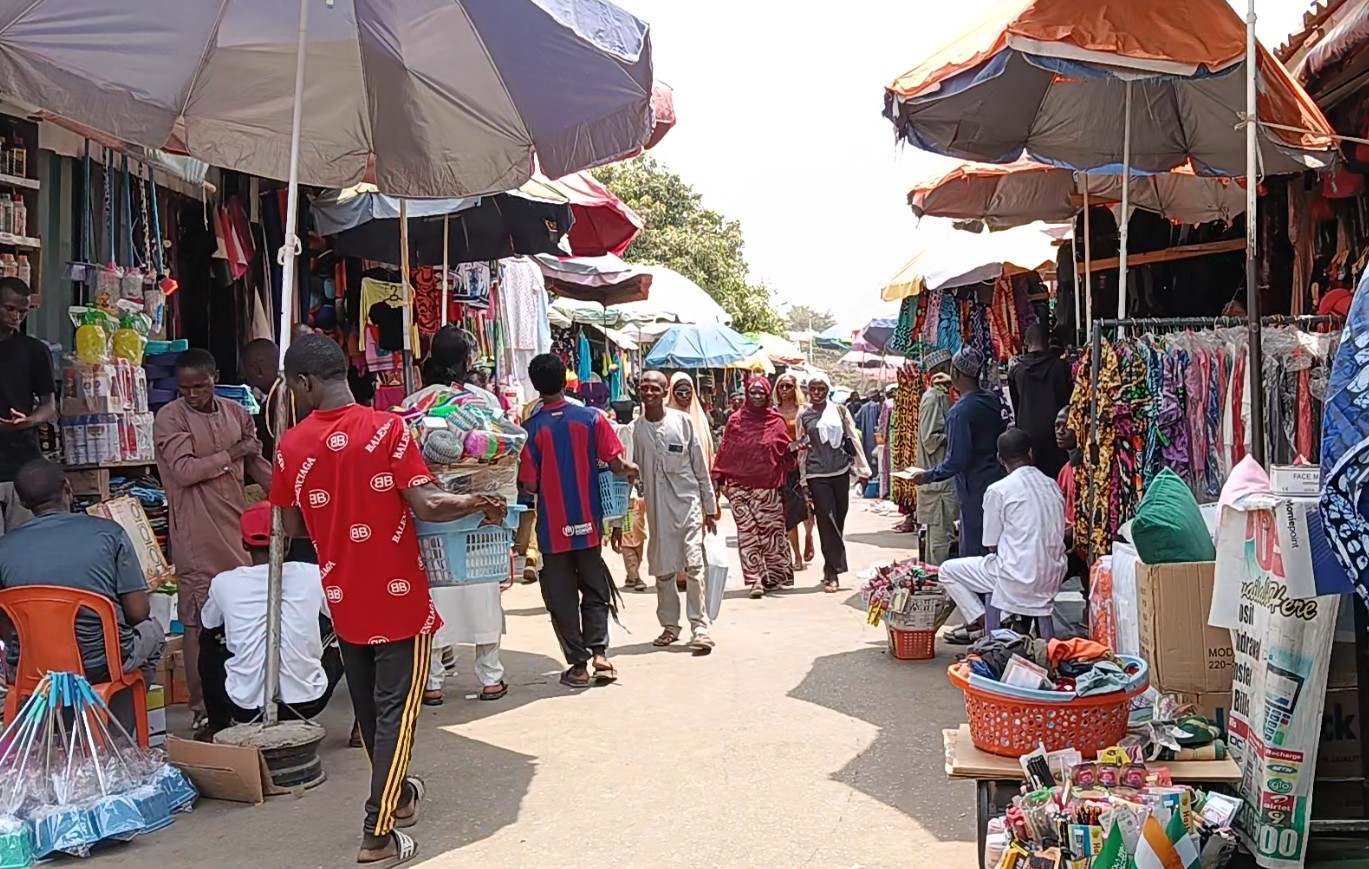

The cost of living in Nigeria is rising at a pace many households can no longer keep up with, as surging prices continue to erode purchasing power and deepen economic strain across the country.
While government reforms were designed to stabilise the economy, analysts say their immediate impact has intensified pressure on everyday Nigerians—raising fresh questions about policy timing, structure, and long-term effectiveness.
Dr. Isaac Kwanum, a finance and accounting lecturer at Father Adasu University, links the sharp escalation in living costs to both structural weaknesses and recent policy decisions, particularly the removal of fuel subsidies on May 29, 2023. The move, he notes, triggered a chain reaction across the economy, pushing up the cost of transportation, goods, and services almost instantly.
Despite efforts to strengthen the naira and stabilise the macroeconomic environment, Kwanum argues that the gains have yet to translate into real relief for citizens. In practical terms, he says, purchasing power continues to decline, leaving many worse off than before.
Nigeria’s heavy reliance on oil revenue, he adds, remains a critical vulnerability. Fluctuations in the sector tend to ripple across the broader economy, amplifying instability and limiting the country’s ability to cushion shocks.
To ease the pressure, Kwanum advocates targeted interventions—particularly in agriculture—alongside urgent action to address insecurity, which has forced many farmers off their land. “If the supply is not there and people must eat, the price must go up,” he told RBN.
Offering a legal and economic perspective, Abuja-based lawyer Oghenekome Akegor points to persistent inflation, weak income growth, and structural inefficiencies as key drivers of the crisis. Supply-side constraints—ranging from logistics bottlenecks to foreign exchange limitations—have further compounded the situation, sustaining upward pressure on prices nationwide.
He also questions the effectiveness of current monetary policies, arguing that Nigeria’s inflation is largely cost-driven rather than demand-driven. As a result, higher interest rates may be doing more harm than good—tightening access to credit for small businesses while doing little to address the root causes of inflation.
With debt servicing consuming a significant share of government revenue, fiscal space for intervention remains limited, further complicating response efforts.
Akegor proposes a mix of short-, medium-, and long-term measures, including transport subsidy mechanisms, food supply support, and temporary import adjustments to stabilise prices and ease immediate hardship.
Recent data from the National Bureau of Statistics underscores the scale of the challenge. Inflation rose to 15.38% in March 2026, while the Consumer Price Index climbed to 135.4, reflecting a continued increase in the average cost of goods and services.
As economic pressures mount, the consensus among experts is clear: without coordinated and targeted reforms, the burden on Nigerian households is unlikely to ease anytime soon.
Report by Godwin Igber