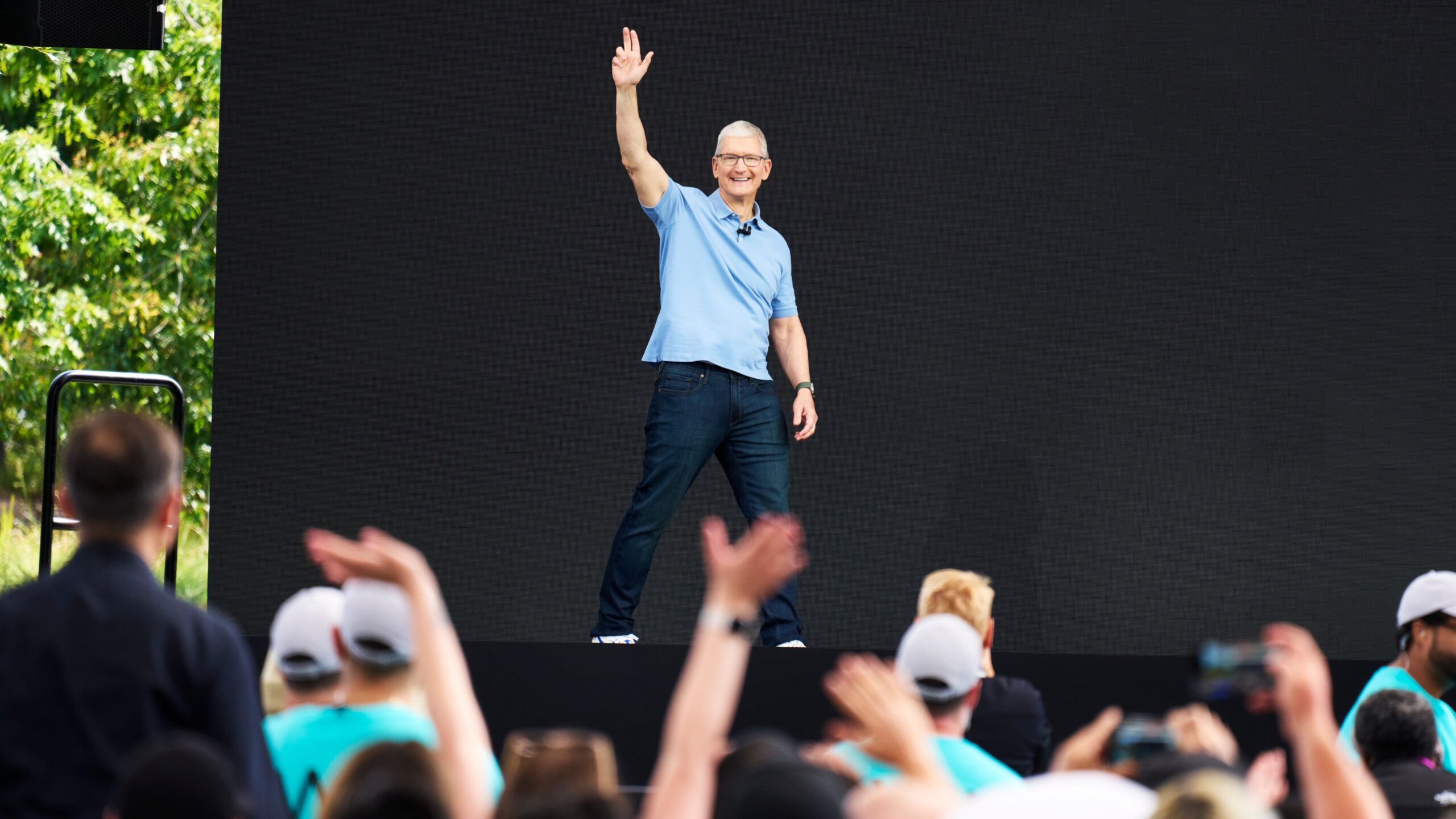

Tim Cook will step down as chief executive of Apple Inc. later this year, marking the end of a nearly 15-year run that transformed the tech giant into one of the world’s most valuable companies.
The transition, set for September 1, will see Cook move into the role of executive chairman, while the company’s head of hardware engineering, John Ternus, takes over as CEO.
Cook, who succeeded Steve Jobs in 2011, oversaw a period of massive growth driven largely by the global success of the iPhone and the expansion of Apple’s services and product ecosystem.
During his tenure, the company’s market value surged by trillions of dollars, cementing its position at the top of the tech industry.
Announcing the decision, Cook described leading Apple as “the greatest privilege” of his life, expressing gratitude to the company’s workforce and customers.
Stepping into the role, Ternus brings more than two decades of experience within Apple. Having joined the company in 2001, he has played a central role in the development of key products including the iPhone, iPad and Mac, and is widely seen as a steady, internally groomed successor.
His appointment comes at a pivotal moment for the company, as Apple faces increasing pressure to strengthen its position in artificial intelligence—an area where competitors have moved faster. Recent moves, including partnerships aimed at improving Siri’s capabilities, signal a broader shift in strategy.
The leadership handover reflects a familiar pattern in the tech industry, with founders and long-serving CEOs transitioning into chairman roles while maintaining influence over long-term direction.
For Apple, however, the change marks more than a routine succession—it signals the beginning of a new chapter, as the company navigates evolving technologies and intensifying global competition.