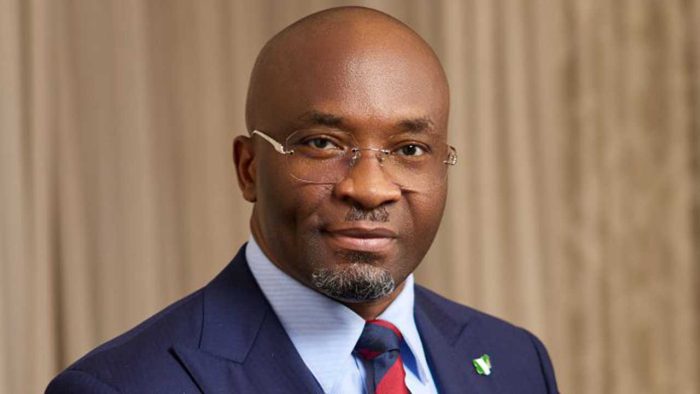

Nigeria’s Deputy Speaker, Benjamin Kalu, has presented a draft resolution on post-conflict peace management at the 152nd Assembly of the Inter-Parliamentary Union in Istanbul, Turkey, urging parliaments worldwide to take a more structured and legislative approach to sustaining peace.
The resolution, titled “The role of Parliaments in establishing robust post-conflict management mechanisms and restoring just and lasting peace,” was tabled at the ongoing session held at the Bomonti Hilton Convention Centre.
Presenting the proposal, Kalu said durable peace must go beyond ceasefires to include strong institutions and inclusive governance.
“Post-conflict recovery must be approached through a holistic framework that builds resilient institutions, promotes economic inclusion, fosters reconciliation and ensures sustained international support,” he said.
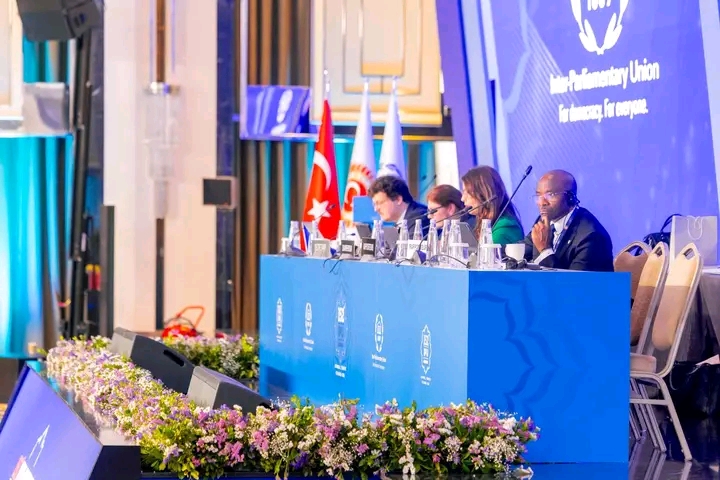
Kalu, who is serving as rapporteur alongside Fati Belhirch of the Netherlands and Ahmad Al-Zu’bi of Jordan, explained that the resolution is designed to institutionalise peace-building through legislation.
“Parliaments must give full legal effect to peace agreements by incorporating them into national laws, establishing clear implementation frameworks and ensuring continuous oversight,” he added.
The proposal outlines five key pillars for post-conflict recovery: strengthened institutions, equitable economic reconstruction, social dialogue and reconciliation, inclusive political participation, and sustained global support.
It also calls for the creation of cross-party parliamentary mechanisms to monitor progress, hold public hearings and engage critical stakeholders, including women, youth and affected communities.
“Peace agreements must not end on paper. They must be translated into action through laws, accountability systems and consistent parliamentary follow-up,” Kalu said.
The initiative has already generated significant interest among member states, with more than 150 submissions and comments from delegates, signalling broad engagement ahead of debate.
Kalu linked the proposal to Nigeria’s historical experience, particularly the Nigerian Civil War, noting that lessons from past conflicts underscore the need for deliberate and sustained peace-building efforts.
“Our history teaches us that the wounds of conflict can linger for decades if not properly addressed. This is why we must prioritise structured, inclusive and forward-looking peace mechanisms,” he said.
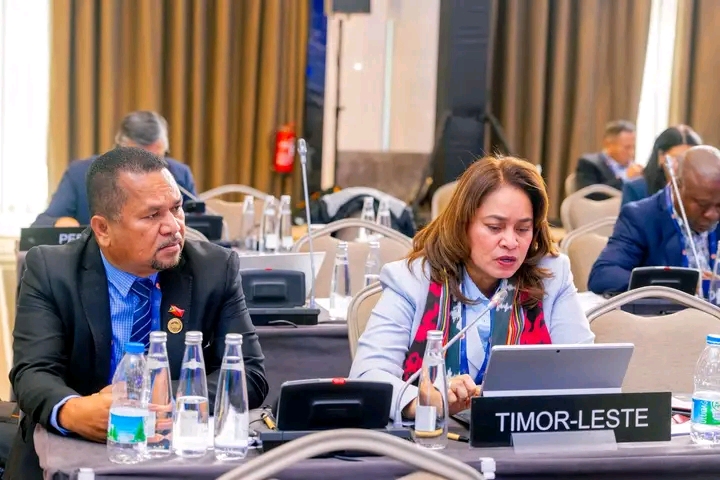
He also referenced his Peace in the South East Project, which promotes non-kinetic solutions to security challenges, and the establishment of the South East Development Commission aimed at rehabilitation and reintegration.
According to him, his experience in international peace-building, including engagements linked to the United Nations, further informed the development of the resolution.
The proposal was described as timely and potentially far-reaching, noting that if adopted by the 185-member body, it could serve as a global template for post-conflict recovery strategies.
“This resolution reflects a practical pathway for nations emerging from conflict to build sustainable peace anchored on law, inclusion and accountability,” Kalu said.
The IPU Assembly is expected to debate the proposal over the coming days, with a possible adoption that would position it as a guiding framework for parliaments across the world.