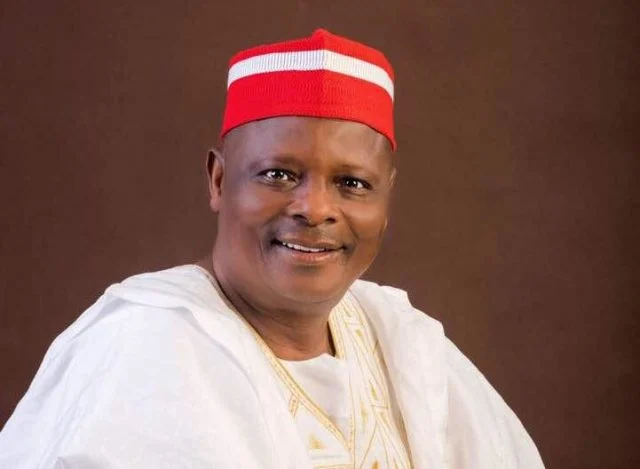

The All Progressives Congress (APC) and the New Nigeria Peoples Party (NNPP) have rejected a proposed United States bill seeking visa bans and asset freezes on former Kano State Governor, Senator Rabiu Musa Kwankwaso, as well as the Miyetti Allah Cattle Breeders Association of Nigeria and Miyetti Allah Kautal Hore, over alleged religious freedom violations in Nigeria.
The proposed legislation, titled the “Nigeria Religious Freedom and Accountability Act of 2026,” was introduced in the US House of Representatives by Congressman Chris Smith, alongside Representatives Riley Moore, Brian Mast and Bill Huizenga. The bill recommends targeted sanctions under the Global Magnitsky Human Rights Accountability Act against individuals and organisations accused of involvement in religious freedom abuses.
If passed and enforced, the measure could result in visa restrictions and the freezing of assets within US jurisdiction for those found culpable. The development has heightened diplomatic concerns, with political stakeholders in Nigeria questioning the implications of foreign sanctions on domestic political actors and organisations.
Reacting to the development, the APC criticised the proposed measures in a press briefing in Abuja, arguing that allegations alone should not be sufficient grounds to restrict Kwankwaso’s freedom of movement or impose punitive actions without due process.
“I think they (the United States of America) cannot just act on allegations. America is the beacon of democracy, and it ought to be seen to be behaving in that manner. Now, whatever the allegation against former Kano State Governor Rabiu Musa Kwankwaso and others is, it remains an allegation until it is proven,” APC Director of Publicity Bala Ibrahim said.
Similarly, the NNPP rose in defence of its chieftain, describing the proposed sanctions as premature and politically motivated. The party insisted that Kwankwaso has no record of religious extremism and cautioned against drawing conclusions without comprehensive investigation and fair hearing.
The controversy has further intensified discussions around religious freedom, accountability, and Nigeria–US relations, as observers await further deliberations on the bill in the US Congress.