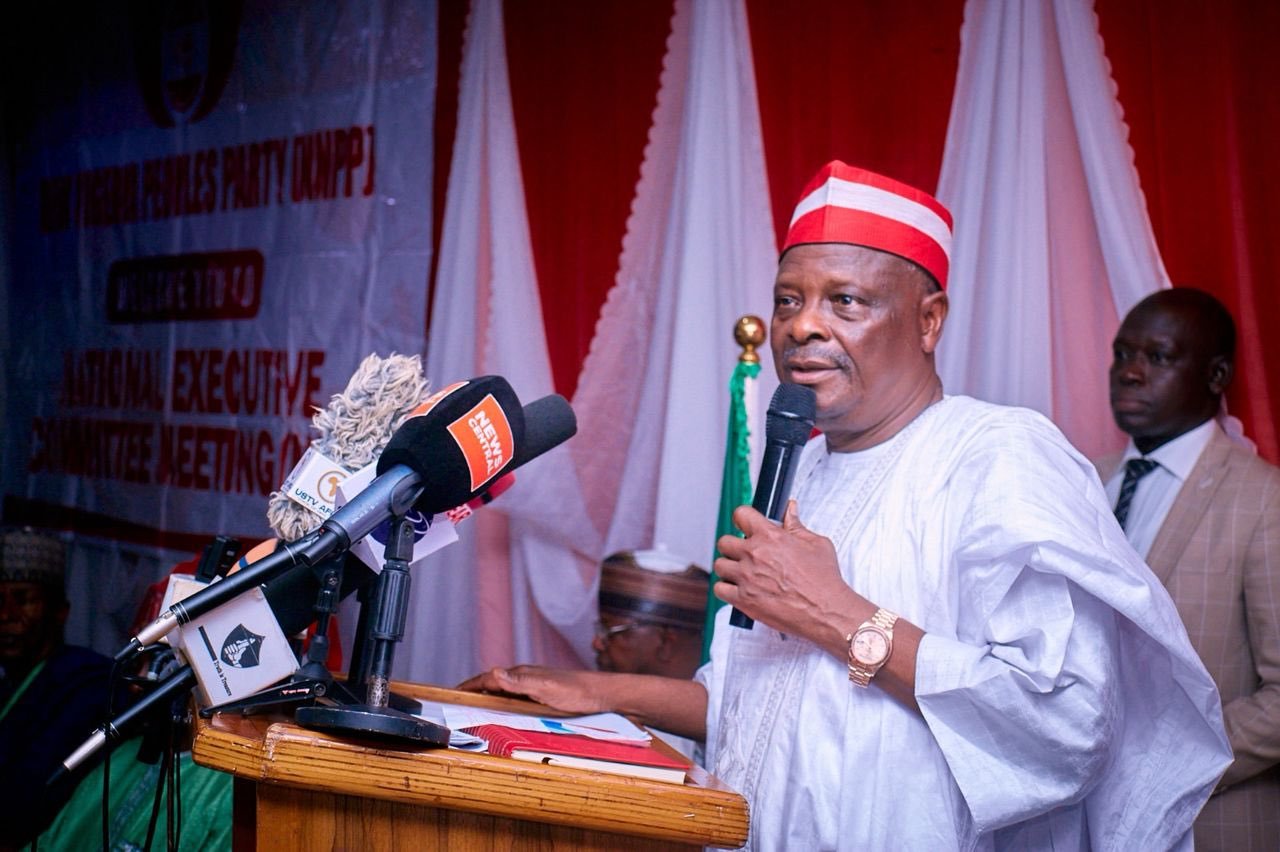

A group of United States lawmakers has introduced legislation in the U.S. House of Representatives that could lead to visa bans, asset freezes, and other sanctions against former Kano State governor Rabiu Musa Kwankwaso, the Miyetti Allah Cattle Breeders Association of Nigeria (MACBAN), Miyetti Allah Kautal Hore, and groups described as Fulani-ethnic nomad militias, over alleged involvement in religious persecution in Nigeria.
The proposed measure, titled the Nigeria Religious Freedom and Accountability Act of 2026, was introduced on February 9 by Congressman Chris Smith of New Jersey and a bipartisan group of lawmakers.
The bill opens with a series of findings documenting widespread violence, stating: “systemic religious persecution has persisted in Nigeria since at least 2009, including mass murder, kidnappings, rape, village destruction, and forced displacement of persons, perpetrated by Boko Haram, the Islamic State West Africa Province (ISWAP), Fulani militant groups, and other extremist organizations.”
It cites estimates that “between 50,000 to 125,000 Christians have been martyred between 2009 and 2025, with more than 19,000 Christian churches attacked or destroyed.”
Lawmakers allege that Fulani-ethnic militias carried out massacres, kidnappings, and forced displacement, killing over 9,500 people and displacing more than 500,000 residents between May 2023 and May 2025, including attacks during Christmas, Easter, and Holy Week in Plateau and Benue states.
Furthermore, the bill also highlights Nigeria’s continued enforcement of blasphemy laws, noting cases such as Deborah Yakubu, who was killed by a mob in 2022, and Yahaya Sharif-Aminu, a Sufi musician detained for six years in Kano State over allegedly blasphemous song lyrics and facing the death penalty.
It criticizes the government for failing to prosecute perpetrators and downplaying the religious dimension of these attacks, citing the case of Sunday Jackson, a Christian farmer sentenced to death in 2021 for defending his farm against an armed herder, who was later pardoned in December 2025.
“The Nigerian Government routinely denies that religious persecution exists and has failed to adequately intervene,” the bill stated, noting that the U.S. should use all available diplomatic, humanitarian, economic, and security tools to pressure the Government of Nigeria to end impunity for perpetrators of mass atrocities and religious persecution.
It further calls for sanctions against key individuals and groups. Part of the bill read: “Targeted sanctions, including visa bans and asset freezes under the Global Magnitsky Human Rights Accountability Act, [should be imposed] on individuals or entities responsible for severe religious freedom violations… including Rabiu Musa Kwankwaso, Miyetti Allah Cattle Breeders Association of Nigeria (MACBAN), and Miyetti Allah Kautal Hore.”
The legislation also directs the U.S. government to evaluate whether certain Fulani militias qualify as Foreign Terrorist Organizations, with the bill stating: “The Secretary of State should determine whether certain Fulani-ethnic militias in Nigeria, qualify as a foreign terrorist organization under section 219 of the Immigration and Nationality Act (8 U.S.C. 1189).”
Additionally, it mandates that the U.S. government investigate domestic or foreign supporters of these groups and provide technical assistance to Nigeria to counter armed Fulani militias, including disarmament programs and counter-terrorism cooperation.
If passed, the law would require annual reports to Congress on Nigeria’s compliance with international religious freedom standards, the delivery of humanitarian assistance to displaced communities, and whether U.S. security cooperation may inadvertently exacerbate abuses.
Supporters of the bill argue that its enactment could provide diplomatic leverage, hold extremist actors accountable, and encourage the Nigerian government to protect religious minorities. However, political parties and movements linked to Kwankwaso have rejected the sanctions, describing the measures as unfounded and politically motivated.
The bill has not yet been passed by the House of Representatives, and no formal response has been issued by the named groups or individuals.