
Nigeria’s aviation industry is facing mounting pressure as the price of Jet A1 aviation fuel continues to surge, raising concerns about the sustainability of flight operations and the broader impact on the local economy.
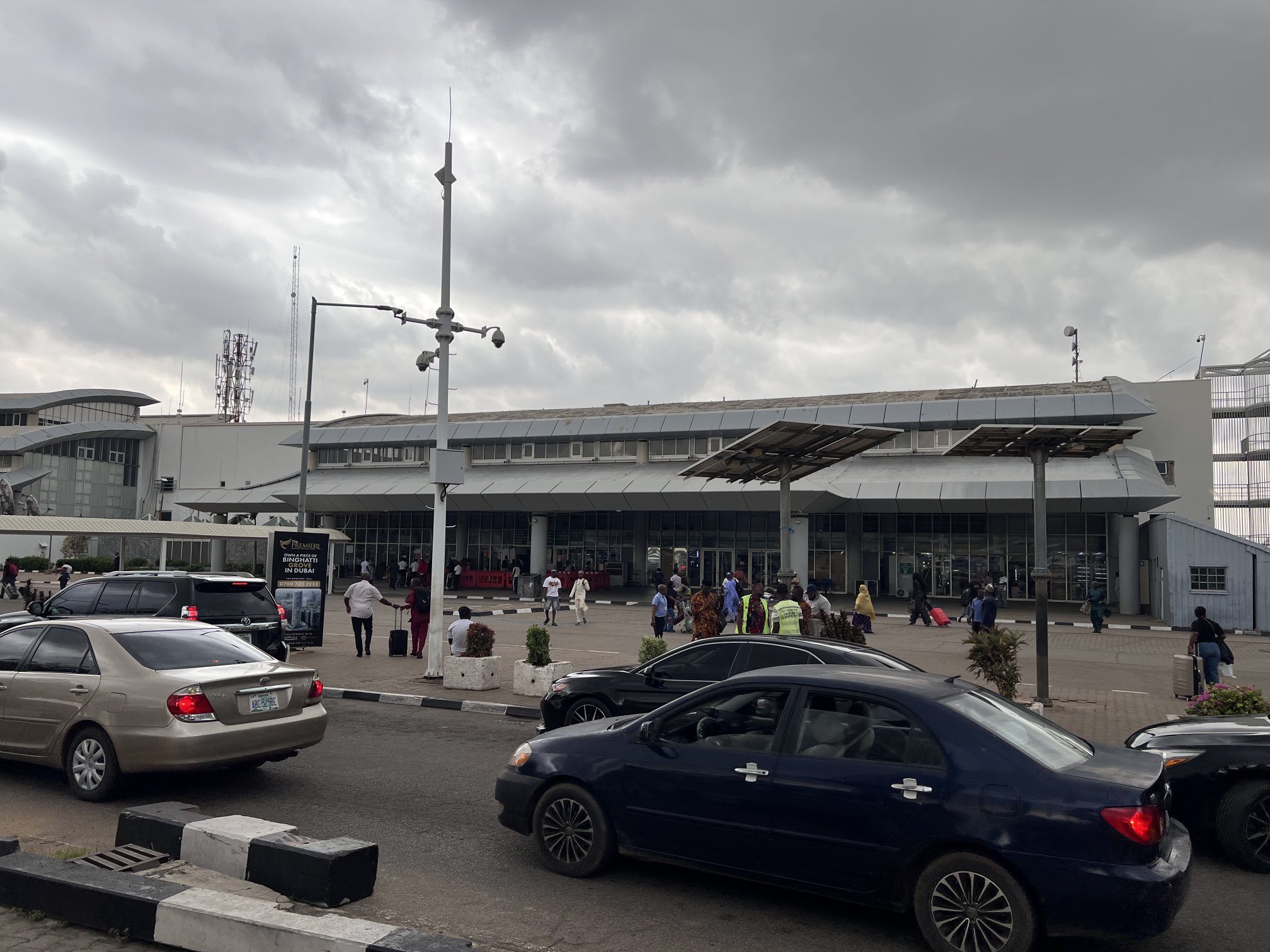
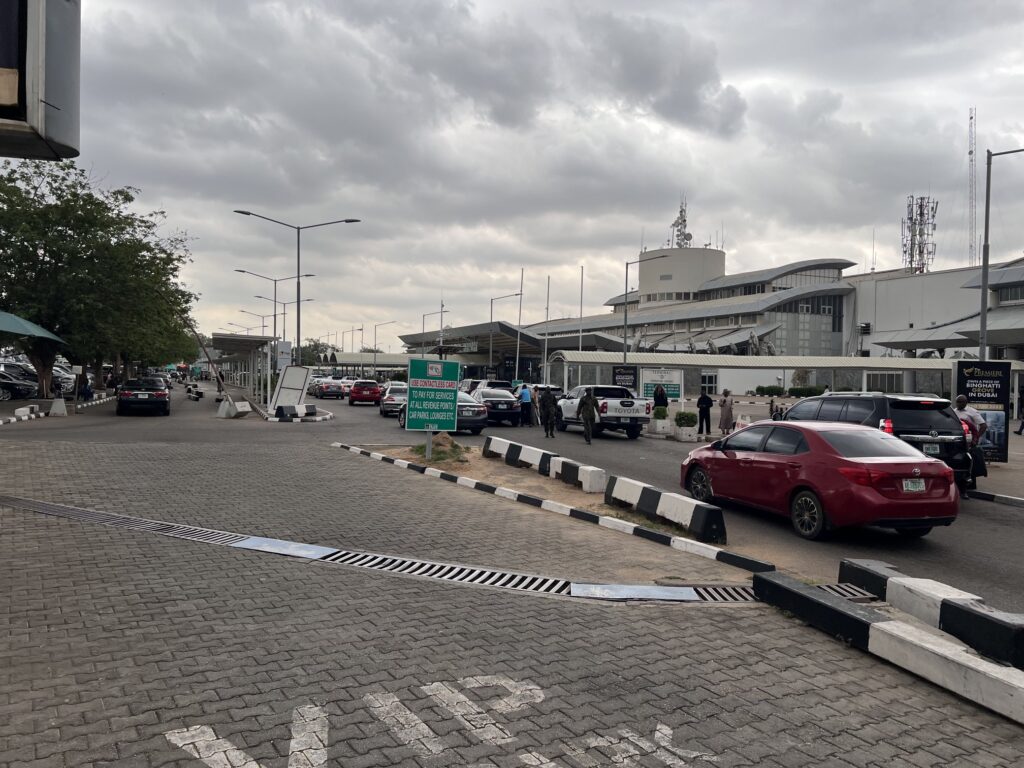
Despite the challenging conditions, air travel activity remains steady at the Nnamdi Azikiwe International Airport, where passengers were seen in large numbers, dispelling earlier rumours that airline operations had been grounded.
Recall that the Federal Government, with the approval of Bola Ahmed Tinubu, moved to avert a looming shutdown initially scheduled for April 20.
The intervention led to high-level meetings convened by the Minister of Aviation, Festus Keyamo, aimed at brokering a temporary truce between fuel marketers and airline operators.
As part of the measures, the President approved a 30 percent relief on debts owed by local airlines to aviation agencies. He also directed stakeholders—including fuel marketers, airlines, and regulators—to negotiate and agree on a fair and sustainable price for jet fuel within 72 hours.
Industry observers say while the government’s intervention may offer short-term relief, long-term stability will depend on broader reforms to address fuel pricing, supply chain challenges, and operational costs in the aviation sector.