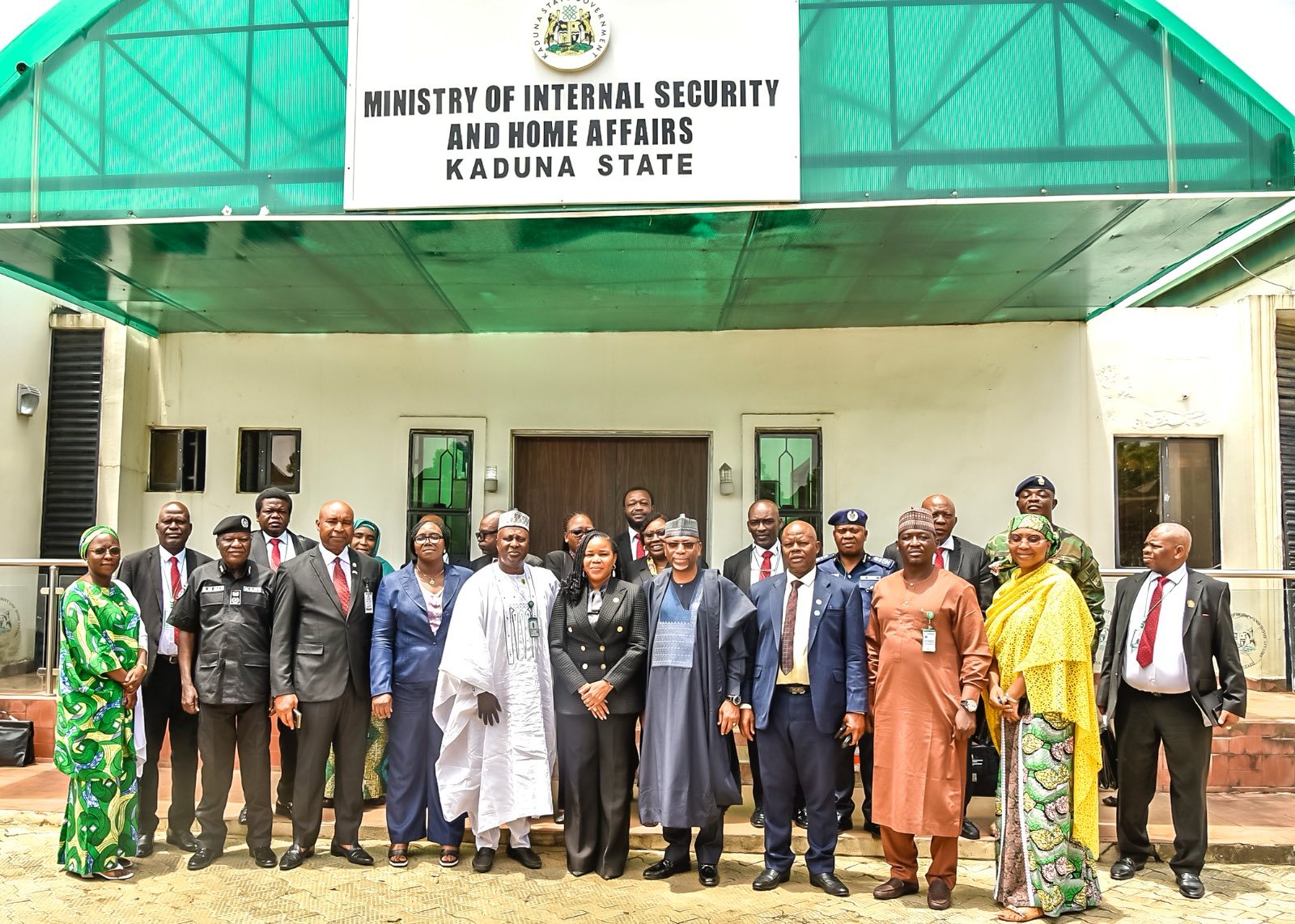

The Kaduna State Government on Monday received participants of the Executive Intelligence Management Course (EIMC 19/2026) from the National Institute for Security Studies, Abuja, in a strategic engagement aimed at strengthening security cooperation and knowledge exchange.
The delegation, which includes senior security officers from Nigeria and other West African countries, was led by Uduak Ituen, fsi, fdmss, who said the visit formed part of a broader study tour designed to bridge the gap between theoretical security training and real-life operational experience.
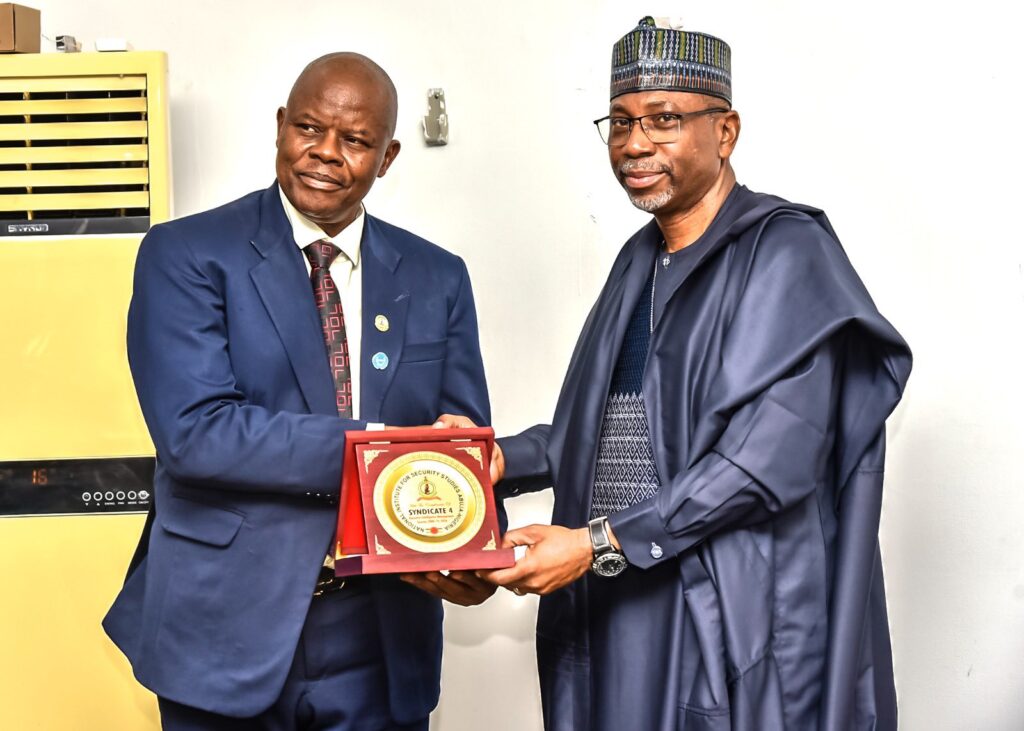
According to her, the engagement was intended to expose participants to practical security management approaches being implemented at sub-national levels in Nigeria, particularly in regions facing complex security challenges.
In his remarks during the session, the Kaduna State Commissioner for Internal Security and Home Affairs, Dr. Sule Shu’aibu, highlighted the state’s coordination framework, known as the Kaduna Peace Model.
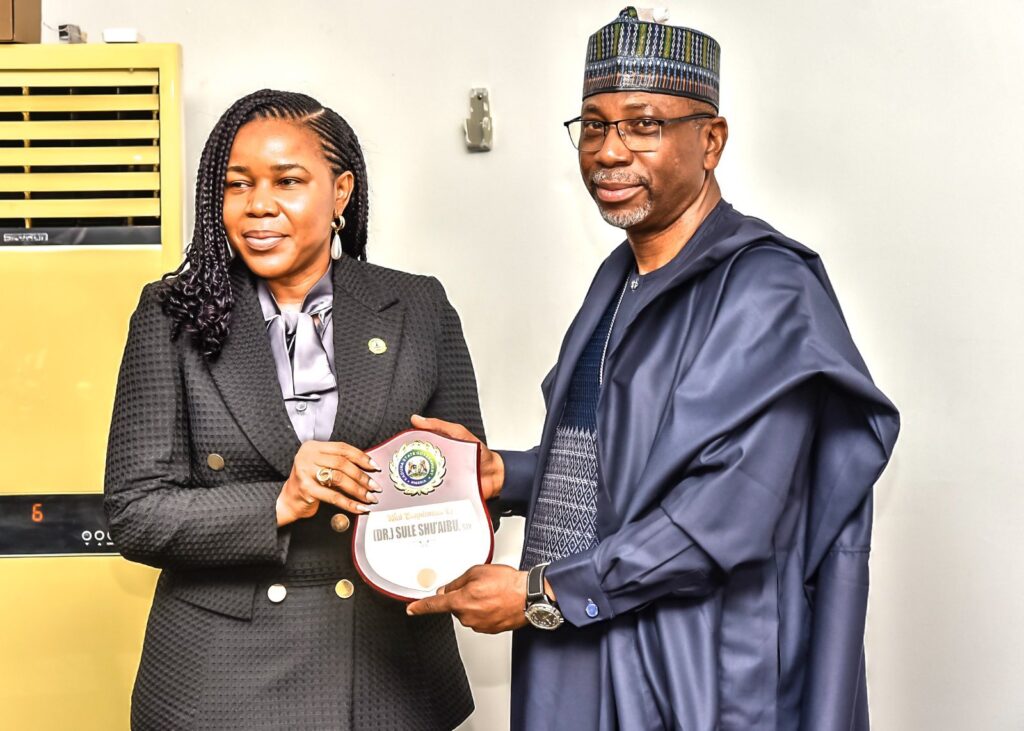
He explained that the model is anchored on dialogue-driven interventions, intelligence-led operations, and sustained stakeholder engagement aimed at preventing and resolving conflicts.
“The Kaduna Peace Model continues to strengthen stability and rebuild public trust through early conflict resolution and inclusive engagement,” the Commissioner said.
He noted that addressing challenges such as farmer-herder clashes and ungoverned spaces requires sustained collaboration among security agencies, communities, and government institutions.

Also speaking, the Commander of the Kaduna State Vigilance Service, CP Ali D. (retd.), underscored the importance of grassroots security operations, stressing that community participation remains central to effective intelligence gathering.
He said local partnerships have significantly enhanced the state’s ability to respond swiftly to security threats and protect lives and property.
The interactive session featured discussions on institutional reforms, technology-driven security systems, and proactive response strategies aimed at improving operational effectiveness across security agencies.

Participants also exchanged ideas on strengthening early warning mechanisms and improving coordination among security stakeholders at both state and regional levels.
The Ministry described the visit as part of ongoing efforts to deepen collaboration and promote knowledge sharing in addressing evolving security threats.
It added that partnerships of this nature reinforce Kaduna State’s commitment to building a people-centred, solution-oriented, and sustainable security architecture capable of delivering safer communities.